
By Sanman Thapa 2/22/2024
My childhood was spent nestled in the serene mountains of Nepal, in a small village untouched by modern technology. I grew up surrounded by the simplicity of nature, waking to the sound of roosters crowing, enveloped by lush greenery and the harmonious symphony of birdsong, barking dogs, contented cows, and playful goats.
In our household, technology was virtually nonexistent; we didn’t even own a radio. My days were occupied with tending to fields, caring for animals, and assisting with household chores. Once my schoolwork was completed, I would gather with neighbors beneath the shade of the Bhodi tree (“Peepal” tree in Nepali), engaging in heartfelt conversations. Information from the outside world was a rare occurrence, sometimes trickling in through the intermittent broadcasts of a neighbor’s radio.
My introduction to modern technology came when I arrived in the US at 21. At that time my boss purchased an iMac for his business in 1998. I was captivated by its sleek design, featuring a semi-transparent plastic case. It marked my first encounter with a computer up close, and I eagerly familiarized myself with its keyboard. Given the nature of his business, which involved frequent participation in trade shows across the U.S., my boss also acquired Nokia brick phones to ensure we could conduct business on the go.
As technology advances at an unprecedented rate, it’s remarkable to reflect on just how far we’ve come. Remember when floppy disks were the norm and brick phones were considered cutting-edge technology? Back then, even sending a simple message like “I LOVE YOU” required patience and precision, as each letter had to be painstakingly typed out on a numeric keypad or via a clunky interface.
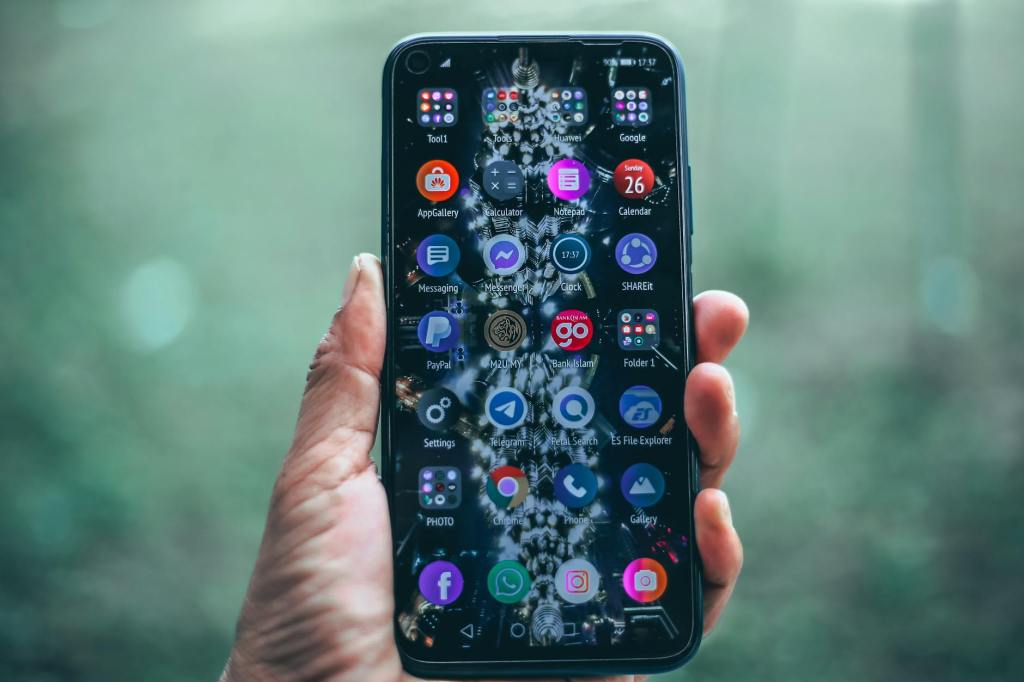
My journey with modern technology began when my girlfriend, now my wife and the mother of our child, Aiden, gifted me my first Apple phone for Christmas of 2007. It was a small, rectangular device that emitted music and displayed colorful images—the iPhone 2G, often called the iPhone 1 or the original iPhone. This marvel of innovation captivated my attention like nothing before.
Fascinated by its capabilities, I spent every spare moment learning about what the smartphone could do. I admired its ability to access information instantly, communicate with people across vast distances, and listen to music from around the world. The smartphone opened up a whole new realm of possibilities for me, expanding my horizons beyond the limitations of traditional communication methods.
As I grew accustomed to the convenience of the smartphone, I found myself unable to imagine life without it. It quickly became an indispensable tool, accompanying me everywhere I went and always tucked away in my pocket.
When I last visited my village in Nepal, I observed the widespread adoption of smartphones. I couldn’t help but reflect on these devices’ profound impact on our daily lives. What was once a quiet and serene village now buzzed with notifications and ringing tones. As I walked through, I noticed people of all ages engrossed in their smartphones, whether checking messages, scrolling through social media, or conducting business transactions.
However, amidst smartphones’ convenience and connectivity, I couldn’t help but wonder about the potential drawbacks and challenges they brought. Intrigued by the pervasive nature of smartphone usage, prompted by my compulsion to check my device constantly, I decided to investigate public habits. I found a revelation: people were tapping, swiping, and clicking their phones frequently, often unaware of it.
As our reliance on these devices grew, so did concerns about privacy, digital addiction, and the erosion of face-to-face communication skills. I delved deeper, posing the question: “How frequently do individuals interact with their smartphones daily?” Research conducted in 2016 by Dscout showed staggering numbers, with the average user touching their phone 2,617 times daily, while heavy users logged 5,427 touches. The smartphone has become an indispensable part of our daily life, seamlessly woven into the fabric of routines.
Contemplating the issue of digital addiction, I pondered whether it was solely a concern for the younger generation or if it affected individuals of all ages. Upon reflecting on my own behavior, I came to the realization that I, too, constantly checked my phone, experiencing a sense of unease when faced with silence from my devices. I felt as though I was missing out on the world around me.
In my interactions, I often found myself eagerly anticipating responses to my text messages. Whenever there was a delay in receiving a reply, I would feel anxious and start analyzing delivery and reading receipts, trying to understand why the person hadn’t responded immediately. I would sometimes jump to conclusions about their intentions based on these observations. I might have been projecting my own feelings onto situations, particularly when I noticed my 14-year-old son appearing to have issues with his phone.
Even in a professional setting, where communication via text was typical, I witnessed the pervasive influence of instant gratifications, which underscored the widespread allure of constant connectivity, transcending age boundaries and affecting individuals across the spectrum.
As I reminisced about my journey from a childhood devoid of technology to a reliance on smartphones, I recognized impatience as a hallmark of the digital era. The constant bombardment of stimuli and immediate access to information has reshaped our brains, conditioning us to expect instant results.
As I find time to take long walks, I turned my attention to other sensory experiences—feeling the breeze, taking in the scents of nature—reminding myself of the timeless authenticity found in the natural world. Despite the undeniable convenience and connectivity smartphones provided, I couldn’t help but yearn for the simpler times of my youth. I cherished memories of meaningful conversations beneath a starlit sky and the tranquility of nature untouched by screens and notifications.
###

 Sanman Thapa
Leave a reply to Lee C Cancel reply